
The three main types of Dental Implant options are endosteal, subperiosteal, and zygomatic implants. They are all designed for different levels of jawbone health. Before you ever see an implant dentist, knowing these differences makes it much easier to understand what to expect.
Over the past few decades, implant dentistry has come a long way. Almost everyone who is missing one or more teeth can have a confident, functional, and healthy smile restored with today’s options. There may be a solution that works for you, whether you have a lot of healthy jawbone or have lost a lot of bone.
This article explains all three implant types, how a restorative dental clinic decides which one is best for your mouth, and how the treatment process works from start to finish.

The Three Main Types of Dental Implants at a Glance
Before getting into the details, it helps to compare the three tooth replacement options side by side:
Implant Type |
Where It’s Placed |
Best For |
Key Benefit |
| Endosteal | Directly into the jawbone | Patients with healthy, thick jawbone | Most durable and natural feeling |
| Subperiosteal | On top of the jawbone, under the gum | Patients with limited bone height | Avoids bone grafting surgery |
| Zygomatic | Anchored into the cheekbone | Severe upper jawbone loss | Skips extensive bone grafting |
1: Endosteal Implants (The Most Common Type of Dental Implant)
When looking for advice from tooth replacement specialists, endosteal implants are usually the first option that comes up, and for good reason. These are surgically placed directly into the jawbone and work as artificial tooth roots. They are usually made of titanium dental implant material, and the body accepts them extremely well.
After being placed, a process known as osseointegration helps the jawbone slowly fuse with the implant. This creates a strong base that feels very similar to a natural tooth. For many patients, these endosteal dental implants are a flexible option because they can support a crown, a bridge, or even a full set of dentures.
Why Endosteal Implants Work So Well
Endosteal implants can help preserve jawbone density by mimicking the way a natural tooth root stimulates bone. However, they can last a lifetime if properly maintained. They remain the most common choice for most implant-supported restorations because of their stability, longevity, and natural feel.
Who’s a Good Candidate?
For this kind of implant, most people in good health with proper jawbone density are excellent candidates. Your dentist may suggest bone grafting first if bone loss has already taken place. However, they may recommend exploring the other implant types.
2: Subperiosteal Implants (An Option When Bone Is Limited)
Subperiosteal implants are a smart alternative for traditional implants when the jawbone is not thick or tall enough to support them. A tiny metal frame rests directly on top of the jawbone beneath the gum tissue rather than inside the bone. The new teeth are held in place by posts that extend through the gums.
For people with some bone loss and who want to avoid a bone grafting procedure, this method can work well. Bone grafting can extend the duration of treatment because it requires more time for healing. Because the implant sits directly on the existing bone structure rather than needing to fuse with it, it is usually a faster path toward implant treatment.
3: Zygomatic Implants (Built for Severe Bone Loss)
Zygomatic dental implants are useful when there is significant bone loss in the upper jaw, and traditional implants are no longer an option. These longer implants are placed into the zygoma, or cheekbone, rather than the jawbone. Usually, this is much stronger and denser than a diminished jawbone.
This modern solution can avoid the need for extensive sinus lift or bone grafting procedures, which usually result in a faster, simpler path to treatment. After the implants are placed, permanent tooth replacement with a full arch of permanent teeth can often be completed really quickly, sometimes even the same day.
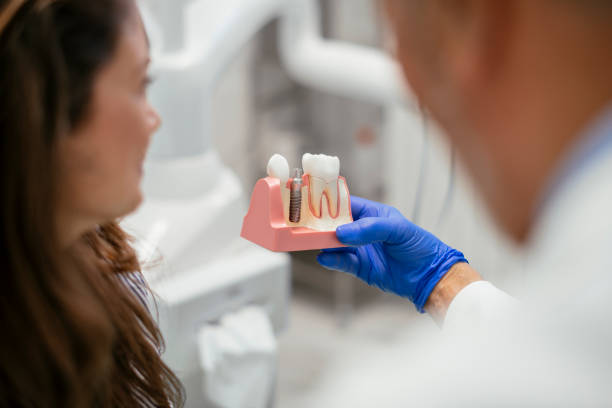
The three main types of dental implants offer effective solutions for missing teeth and a secure, natural-looking smile
How Do You Choose the Right Implant Dentist?
The first step in choosing the best provider is to find someone experienced with all three types of implants. However, its Not simply the most common one. Before suggesting a treatment path, an experienced implant dentist will assess your jawbone density, your overall oral health, and specific goals.
It is also worth asking about the practice’s experience with similar cases and the type of imaging technology they use for treatment planning. A complete restorative dental clinic should guide you through every option in detail, explaining its benefits, drawbacks, and reasonable schedule.
What Happens During the Dental Implant Process?
Usually, the procedure starts with a full consultation that includes imaging, such as a CBCT scan, to map your bone density, nerve pathways, and jaw structure. After that, your dentist will guide you through your surgical timeline and decide which type of implant is best for you.
Depending on the type of implant and whether additional procedures, such as bone grafting, are required, recovery times after implant placement vary. After recovery is complete, implant-supported teeth are attached, restoring look and function with results that can last for years with proper care.
FAQs
What is the newest technology in dental implants?
The latest dental implant technology is based on cone-beam computed tomography (CBCT) scans. These scans create detailed three-dimensional images of a patient’s jaw structure, nerve pathways, and bone density. Compared to older imaging methods, this offers far more precise treatment planning.
How many teeth can be replaced by implants?
Theoretically, a person may get an implant for each tooth in their mouth. That would be up to 32 total; however, this is rarely required. Implant-supported bridges or dentures work well for most patients who are missing several teeth.
What is the success rate of dental implants?
The success rate of dental implants is remarkable, usually exceeding 95%. Studies examining results over 10 years consistently reveal success rates of 90 to 95 percent. Because of this, implants are among the most reliable tooth replacement options.
How much bone is needed for a dental implant?
There must be enough bone in the jaw for the implant to be fully submerged while maintaining a safe space from important structures such as the sinuses or nerves. Before suggesting specific types of implants, a dentist will assess this using imaging.
Are dental implants painful?
After placement, most patients report only minor discomfort, which is typically acceptable with over-the-counter painkillers. It usually takes a few days to a week for the area to feel normal again.
How long do dental implants last?
Many people keep their dental implants for the rest of their lives, and they can last for decades with good care. The duration of an implant remains stable and effective with regular checkups and good oral hygiene.
Final Thoughts
Before starting tooth replacement treatment, knowing the three main types of dental implants endosteal, subperiosteal, and zygomatic makes it much easier to understand what questions to ask. Because each option addresses different levels of jawbone health, there is probably a solution that works for you.
Our team at Kelso Family Dental takes the time to assess your oral health and jawbone structure before suggesting the best titanium dental implants or other option for your smile. The goal of every treatment plan is to provide you with long-lasting smile restoration and reliable results.
Schedule a consultation with Kelso Family Dental today if you are ready to explore your options for replacing missing teeth and start your journey to a confident, healthy smile.
