
Teeth grinding, or bruxism, affects your teeth and jaw by applying continuous pressure. This wears down enamel, strains jaw muscles, and can slowly damage fillings, crowns, or the temporomandibular joint. Some people grind only at night, and some clench or grind during the day without realizing it, especially during stressful periods.
If you leave them untreated, this pressure adds up over months and years. It causes problems that go well beyond a sore jaw. It’s important to understand what grinding actually does to your mouth. This makes it easier to spot warning signs early. In this article, we’ll help you determine whether grinding is behind your symptoms and what to do next.
What Is Teeth Grinding, and Why Does It Happen?
Teeth grinding occurs when you clench or move your jaw back and forth. It happens when you grind your upper and lower teeth together, usually without realizing it. Dentists call this bruxism, and it can happen during sleep, when you’re awake and concentrating on something stressful, or both. The reasons for it can differ from person to person. But stress, misaligned teeth, and certain sleep issues are among the most common causes.
Awake Bruxism vs. Sleep Bruxism
- Awake bruxism typically involves clenching instead of the back-and-forth grinding motion seen during sleep. It often happens when someone is concentrating, stressed, or anxious without realizing it.
- And sleep bruxism typically involves more grinding and occurs while a person is unconscious. This means they often only learn about it from a partner, a dentist noticing wear, or a sleep study.
Because sleep bruxism occurs outside of conscious control, it’s frequently difficult to detect early and can go on for years before someone seeks treatment.
Common Triggers of Teeth Grinding
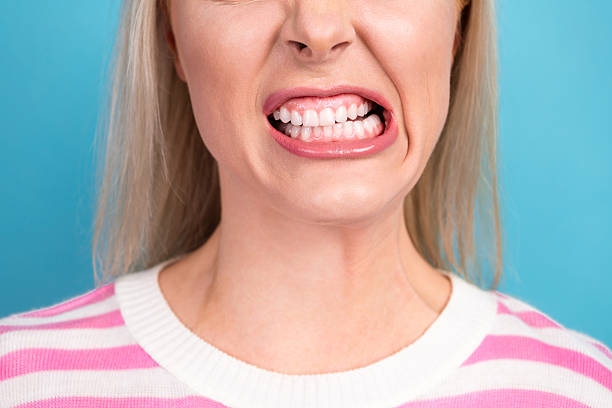
The more common causes for teeth grinding include high stress or anxiety, an abnormal bite, missing or crooked teeth, and certain medications or substances such as caffeine and alcohol. Few people also grind more when they’re concentrating hard on a task, even without feeling particularly stressed in the moment. Identifying your specific triggers is often the first step toward reducing how often you grind.
How Stress and Sleep Problems Can Play a Role
Stress and sleep issues play an important role in teeth grinding. Both awake and sleep bruxism typically get worse during periods of emotional strain or poor sleep quality. Conditions that include sleep apnea, where breathing repeatedly stops and starts during the night, have also been associated with a higher rate of sleep bruxism.
According to a systematic review and meta-analysis published in a peer-reviewed dental journal, Sleep bruxism affects over 21% of people worldwide. It shows how widespread the link between grinding and sleep is.
What Are the Signs You May Be Grinding Your Teeth?
Signs you may be grinding your teeth include flattened or worn tooth surfaces, jaw pain or tightness when you wake up, recurring temple headaches, and teeth that feel more sensitive than usual. Grinding often happens during sleep.
Many people don’t realize they’re doing it until a dentist points out the wear during a routine checkup. Detecting these symptoms early is important. This makes it simpler to manage grinding before it causes more serious damage.
Flattened or Worn-Down Teeth
One of the most visible signs of continuous grinding is flattened or worn-down teeth. Because the repeated friction slowly smooths out the natural ridges and points on your tooth surfaces. Dentists can frequently spot this wear pattern during a routine exam. They can often spot it before a patient has any symptoms. In more severe cases, teeth may appear substantially shorter than before.
Morning Jaw Pain or Tightness
Morning jaw pain or tightness is often caused by grinding. In particular, sleep bruxism makes your jaw muscles work harder all night. This is commonly described as dull soreness or stiffness that prevents you from opening your mouth fully right after you wake up. This symptom is often ignored rather than investigated because it seems to get better throughout the day.
Headaches and Facial Soreness
Headaches and facial soreness often stem from the same overworked muscles that cause jaw pain. These muscles attach near your temples and cheeks. These headaches can be mistaken for tension headaches unrelated to oral health and may appear in the morning or after periods of intense grinding. In more serious situations, facial soreness may also extend down into the neck.
Tooth Sensitivity and Chipped Teeth
Tooth sensitivity and chipped teeth often develop when grinding wears through enough enamel to expose the softer dentin layer underneath. Spicy, cold, or sweet foods can then cause discomfort where there wasn’t any before. Tiny chips along the edges of your teeth are another common symptom. This is especially true if you notice rough or jagged areas that weren’t there before.
How Can Teeth Grinding Damage Your Teeth?
Teeth grinding damages teeth by slowly wearing away enamel. It can cause cracks or chips and put enough pressure on existing dental work to make fillings or crowns fail earlier than expected. Over time, this pressure can also loosen the teeth by affecting the bone and gum tissue that hold them in place. The damage develops gradually. That’s why many people don’t realize how much wear has occurred until a dentist points it out.
Enamel Wear and Tooth Sensitivity
Enamel wear from grinding occurs slowly, as the hard outer layer of each tooth thins with every grinding session until the softer dentin underneath becomes exposed. Once that occurs, sensitivity to hot, cold, and sweet foods typically follows. Dentin contains small channels that connect directly to the nerve inside the tooth. Dentin doesn’t rebuild, so this type of wear is permanent once it occurs, unlike enamel.
Cracks, Chips, and Fractured Teeth
Cracks, chips, and fractured teeth can result from the sheer force involved in grinding. This pressure may exceed what your teeth are built to handle during normal chewing. Some cracks are tiny and only appear on X-rays. Others are large enough to cause pain or require a crown to repair. In more serious cases, a tooth can fracture enough to require extraction.
Damage to Fillings, Crowns, and Other Dental Work
Grinding can seriously damage fillings, crowns, and other dental work. Because it applies far more pressure than these restorations usually experience during normal use. If you don’t stop grinding, a crown may chip or fall off completely, while a filling may loosen or break. This is one of the most common effects of bruxism. Replacing damaged dental work is typically more expensive than treating the grinding itself.
How Does Bruxism Affect the Jaw?
Bruxism affects your jaw by overworking the muscles you use to chew. It also repeatedly strains the temporomandibular joint (TMJ), which connects your jawbone to your skull. This tension can eventually cause joint inflammation, muscle fatigue, and noticeable changes in how smoothly your jaw moves. Continuing bruxism frequently has a greater impact on everyday comfort than people realize because the jaw muscles and joint work together every time during eating, speaking, or grinding.
Jaw Muscle Fatigue and Pain
Jaw muscle fatigue and pain develop because grinding makes the muscles around your jaw work much harder and longer than they’re designed to during normal activities. It includes activities like eating or talking. This overuse frequently leaves muscles feeling tight, tired, or sore, especially after a night of heavy grinding. Chronic muscle fatigue can also make daily tasks, like chewing harder foods, increasingly painful over time.
Clicking, Popping, or Limited Jaw Movement
Clicking, popping, or limited jaw movement can worsen when repeated grinding irritates the cartilage and soft tissue inside the TMJ, causing the joint to move differently. Few people observe a clicking sound when they open or close their mouth. Others occasionally feel their jaw lock or get stuck. These mechanical symptoms often occur alongside pain. They can also appear on their own.
Connection Between Bruxism and TMJ Problems
The connection between bruxism and TMJ issues is caused by repeated strain. Grinding puts far more pressure on the joint than normal chewing. The American Academy of Orofacial Pain says that temporomandibular disorders are closely attached to bruxism. The repetitive strain from grinding is considered one of the more typical contributing factors behind continuous TMJ symptoms. It’s important to treat the grinding itself. It is frequently an important part of managing TMJ-related pain long-term.
Where Teeth Grinding Causes Damage
Area Affected |
What Typically Happens |
| Enamel | Gradually wears thin, eventually exposing sensitive dentin underneath |
| Tooth Structure | Cracks, chips, flattened edges, or full fractures |
| Dental Work | Fillings and crowns loosen, crack, or fail earlier than expected. |
| Jaw Muscles | Fatigue, tightness, and soreness, especially in the morning |
| TMJ | Clicking, popping, limited movement, and joint inflammation |
| Supporting Tissue | Weakened gums and bone. It can loosen teeth gradually. |
Frequently Asked Questions
How do I know if I grind my teeth at night?
Common symptoms include headaches near the temples, jaw pain or tightness in the morning, and teeth that feel more sensitive or look flattened. Your partner hears grinding sounds while you sleep, or a dentist spots wear during a checkup.
Can teeth grinding permanently damage your teeth?
Teeth grinding can cause permanent damage. It can cause worn-down enamel that doesn’t grow back once it’s gone, along with chips, cracks, and fractures. Detect it early, and treatment can help prevent further irreversible wear.
Can teeth grinding cause jaw pain and headaches?
Teeth grinding is the most common cause of headaches and jaw pain. It activates the same muscles you use to chew and creates tension around your temples and mouth. These symptoms frequently rise in the morning after a night of grinding.
Can a nightguard stop teeth grinding?
A nightguard doesn’t prevent grinding, but it provides a barrier that protects your teeth and dental work from pressure and wear. Several dentists suggest a customised nightguard as one of the best ways to manage sleep bruxism.
Can stress cause you to grind your teeth?
One of the main common triggers for awake and sleep bruxism is stress. Tension often shows up physically in the jaw without you realizing it. Managing stress through relaxation techniques or treatment may help you reduce how often you grind.
When should I see a dentist about teeth grinding?
It’s important to see a dentist if you feel morning jaw pain, flattened or sensitive teeth, or frequent headaches. And if a partner mentions hearing you grind at night. Early treatment protects you from more serious damage to your teeth, jaw, and existing dental work.
Final Thoughts
Teeth grinding puts real, continuous pressure on your teeth and jaw. It can cause TMJ discomfort, worn enamel, broken teeth, and damaged dental work. It’s important to detect the early symptoms. Early signs include morning jaw tightness or unexplained sensitivity. Also, it provides a chance to treat bruxism before it becomes a worse and more expensive issue.
At Kelso Family Dental, we are always here to help you determine what’s behind your symptoms. We can also discuss options such as a custom nightguard to help protect your smile. So, book your consultation with us now to get it checked out.
